Designing a white-label Loan Origination System for real estate lenders
Company
Loan Origination System
Product
Role
Nov 2024 – present
Years
Overview
OPX America builds white-label digital infrastructure for private lenders financing real estate investors, including retail fix-and-flip borrowers and brokerage firms.
Industry: Business Purpose Lending (BPL)
BPL is a $120 billion segment of the U.S. residential mortgage market, serving private investors who renovate and resell properties.
My Role
End-to-end Product Design. I established the UX strategy, designed all user flows from scratch, and created a scalable, lightweight white-label design system tailored for seamless integration into various client digital ecosystems.
Problem
—
Before our portal, the lending process was heavily manual. A typical loan journey looked like this:
1️⃣
A retail investor applied on the website
2️⃣
Loan Officer (LO) reached out, sending two emails: one with the URLA (Uniform Residential Loan Application) and another with a massive checklist of required documents
3️⃣
The investor would reply in parts, sending documents across multiple email threads
4️⃣
LO forwarded these to a Production Coordinator (PC) who would find errors or missing files, bounce them back to the LO, who then emailed the investor again
5️⃣
This endless ping-pong continued until the package was perfect enough for the Underwriting (UW) department
For investors
Retail investors, especially first-time borrowers, were often overwhelmed by the volume of required work. The biggest drop-off occurred:
during initial URLA submission
during early document collection
after 7+ days of back-and-forth communication
Many users abandoned the process entirely or delegated it to brokers.
For lender
Internal teams struggled with operational visibility, which significantly increased operational overhead:
lost documents in email threads
unclear ownership
duplicated follow-ups
delayed underwriting handoffs
poor status transparency
🎯
The core UX problem was cognitive overload.
I needed to design an interface that guided retail investors through a heavily regulated, complex financial process without making them feel overwhelmed.
Simultaneously, the system needed to provide absolute transparency regarding the loan's status to both the investor and the internal staff.
Solution
—
Research
We conducted discovery interviews with retail investors to understand how they currently navigated the loan application process.
The strongest insight was clear:
💡
investors were not dropping off because they lacked intent.
They were dropping off because the process felt unmanageable and opaque
So we had to make the process feel finite, structured, and transparent.
Process
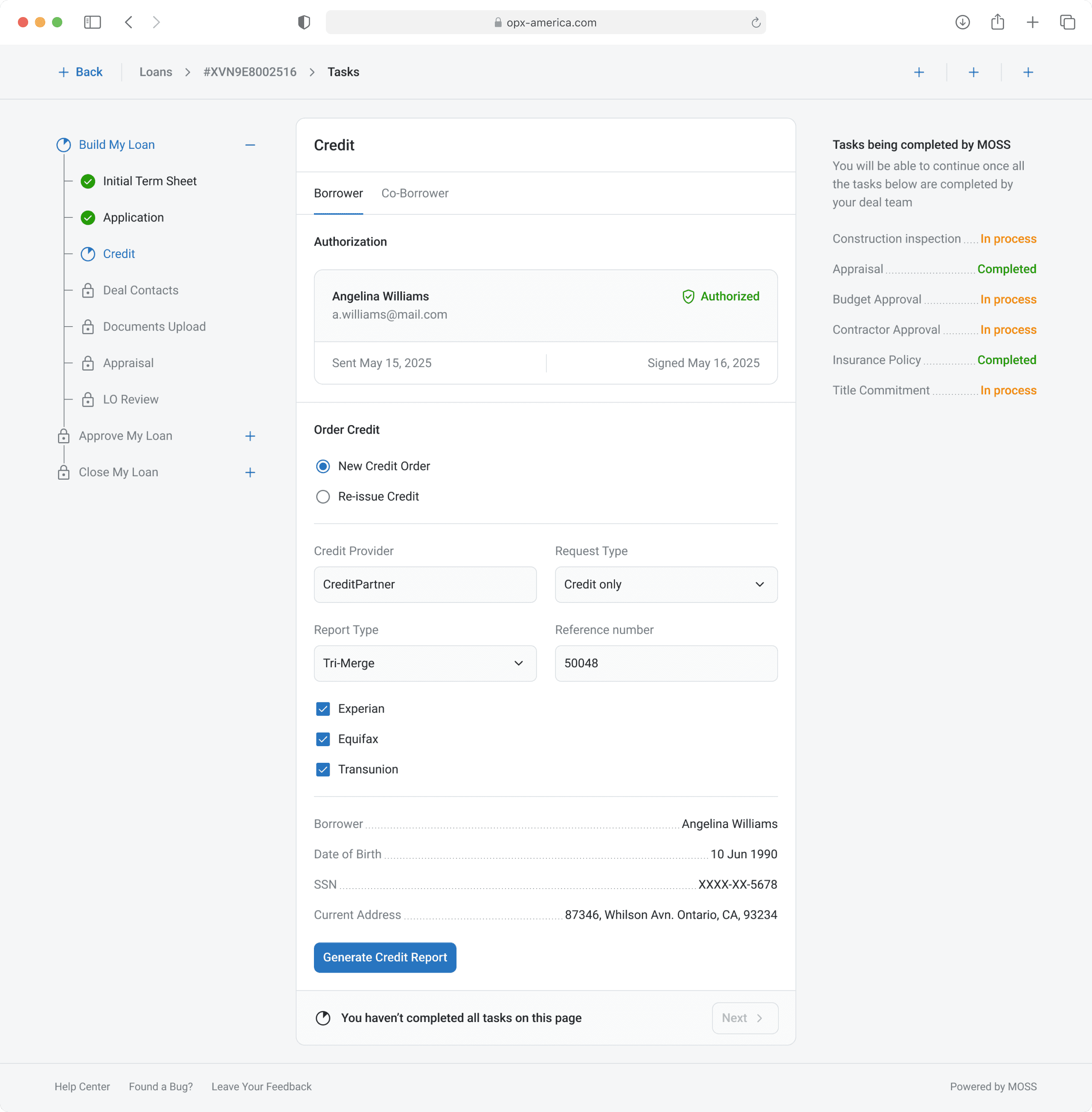
I designed the entire LOS platform from scratch.
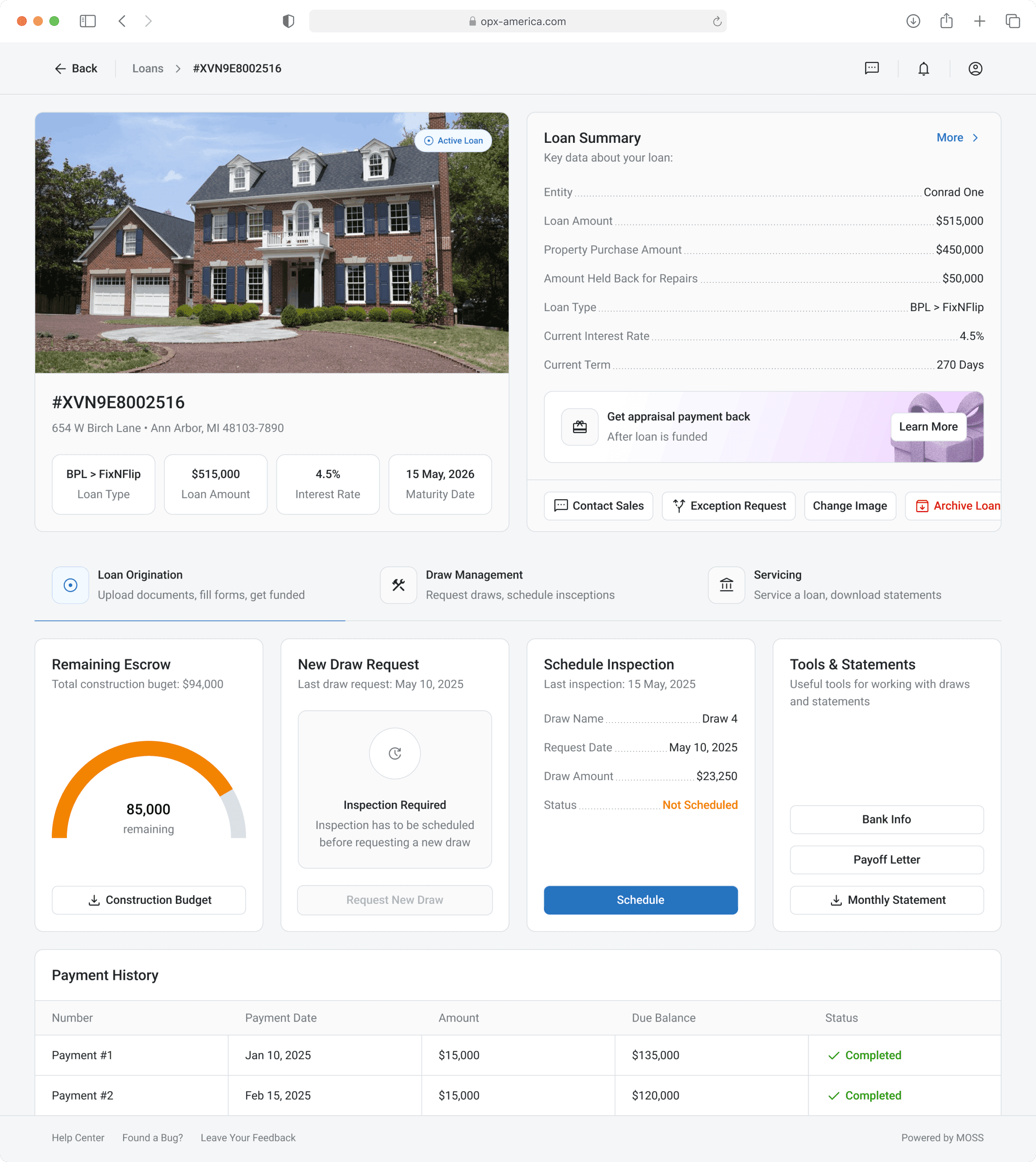
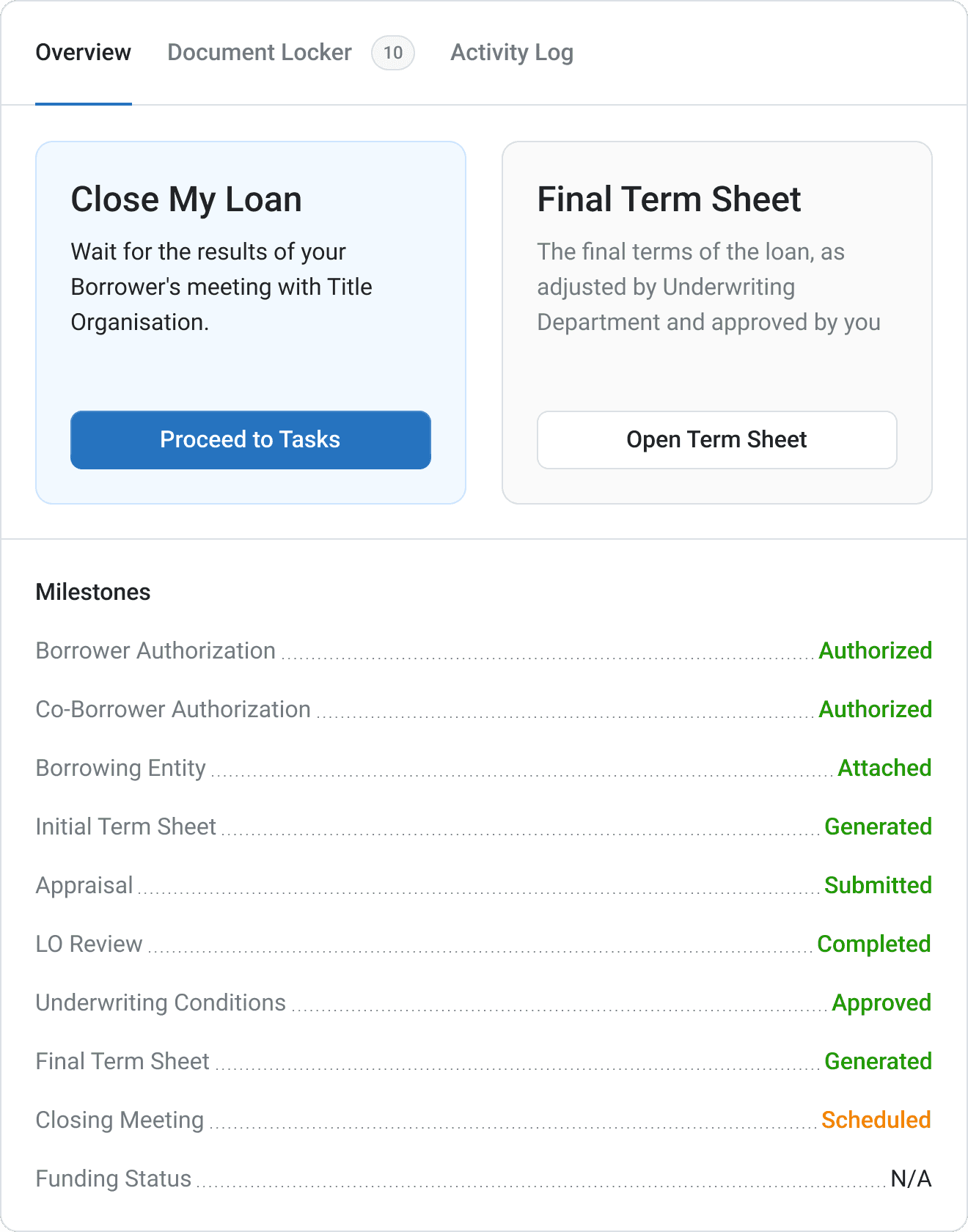
The most important module was the Loan Overview.
This became the operational center for both investors and lender teams.
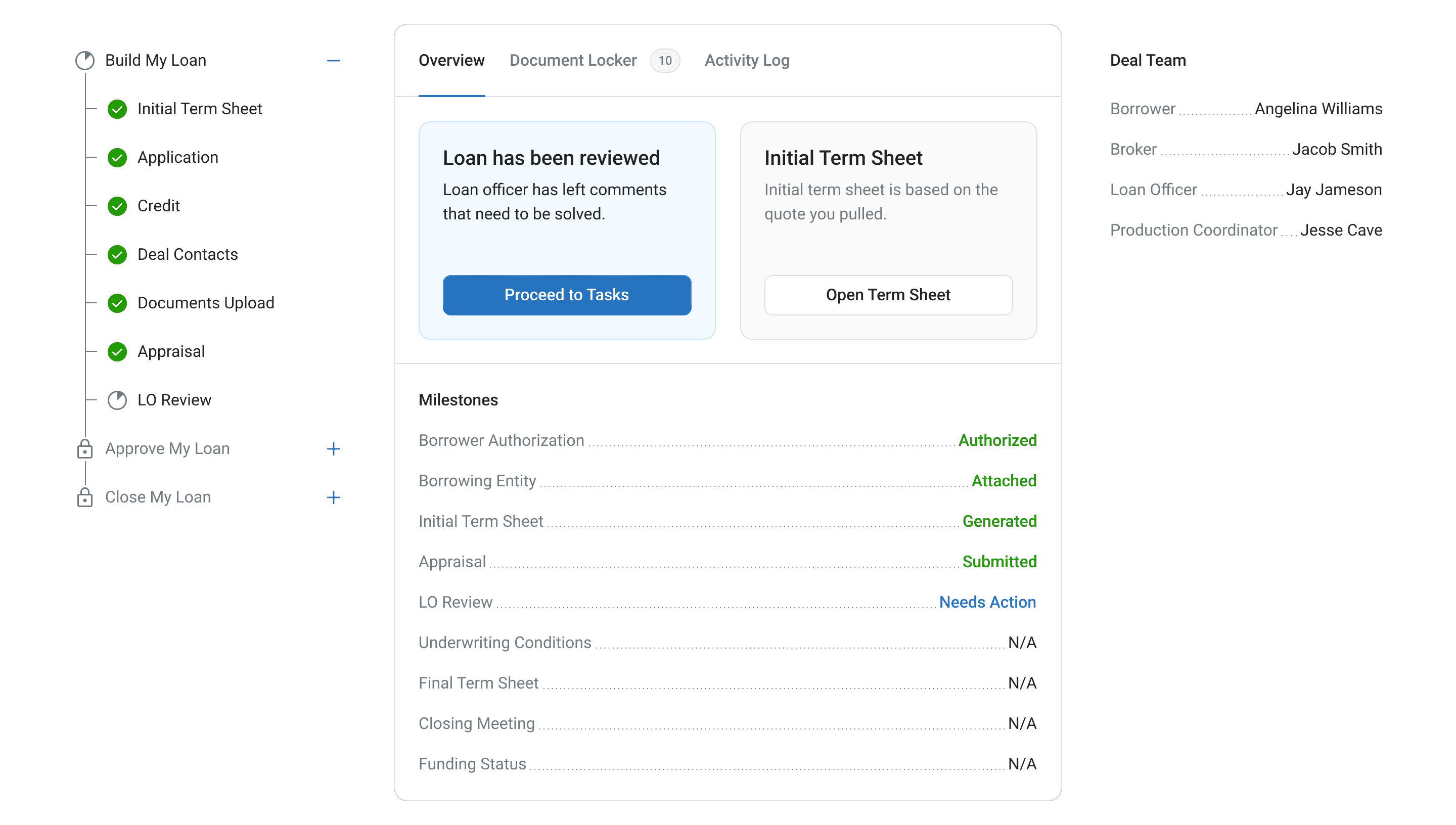
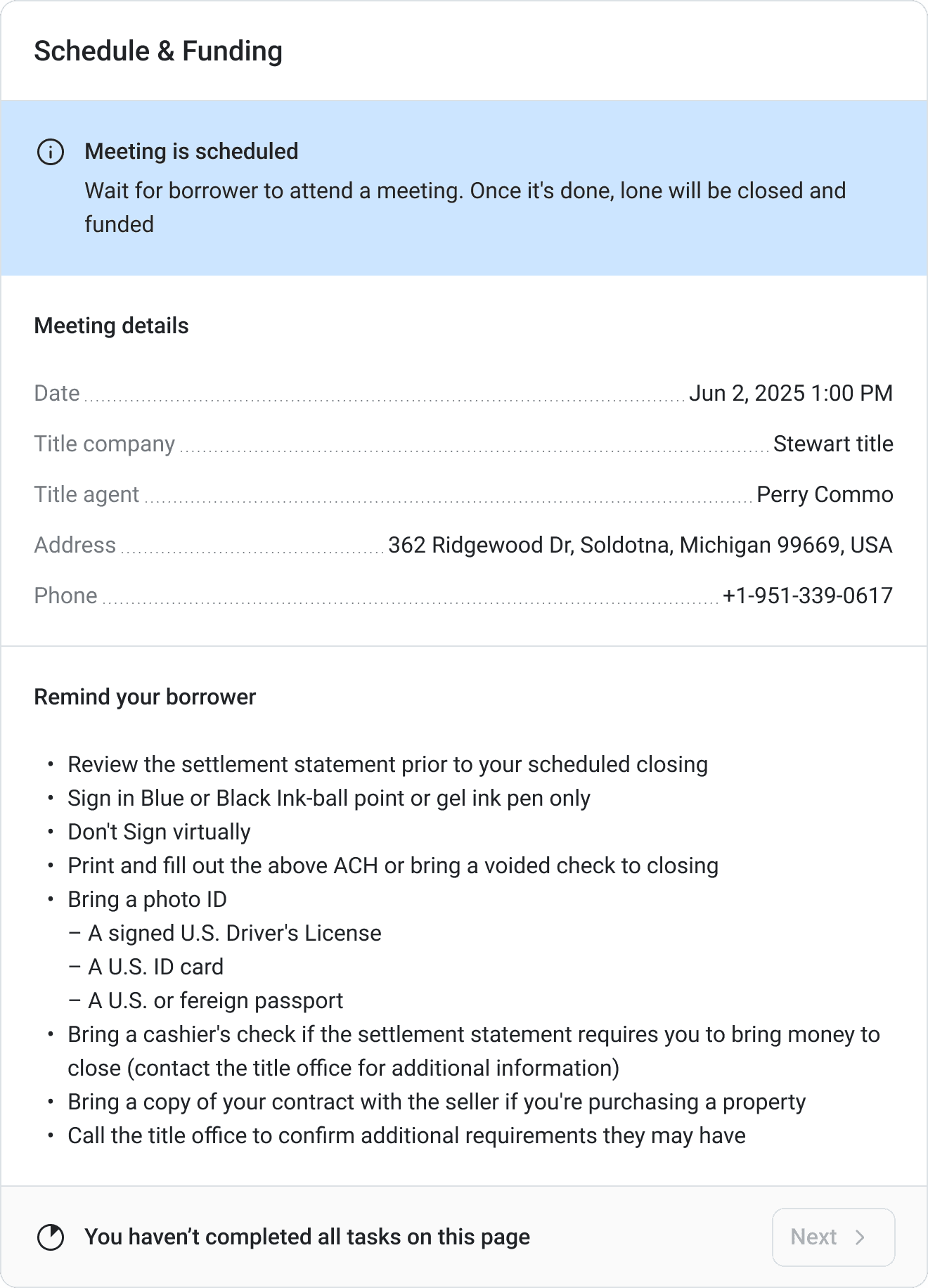
The "Loan Steps" Tracker
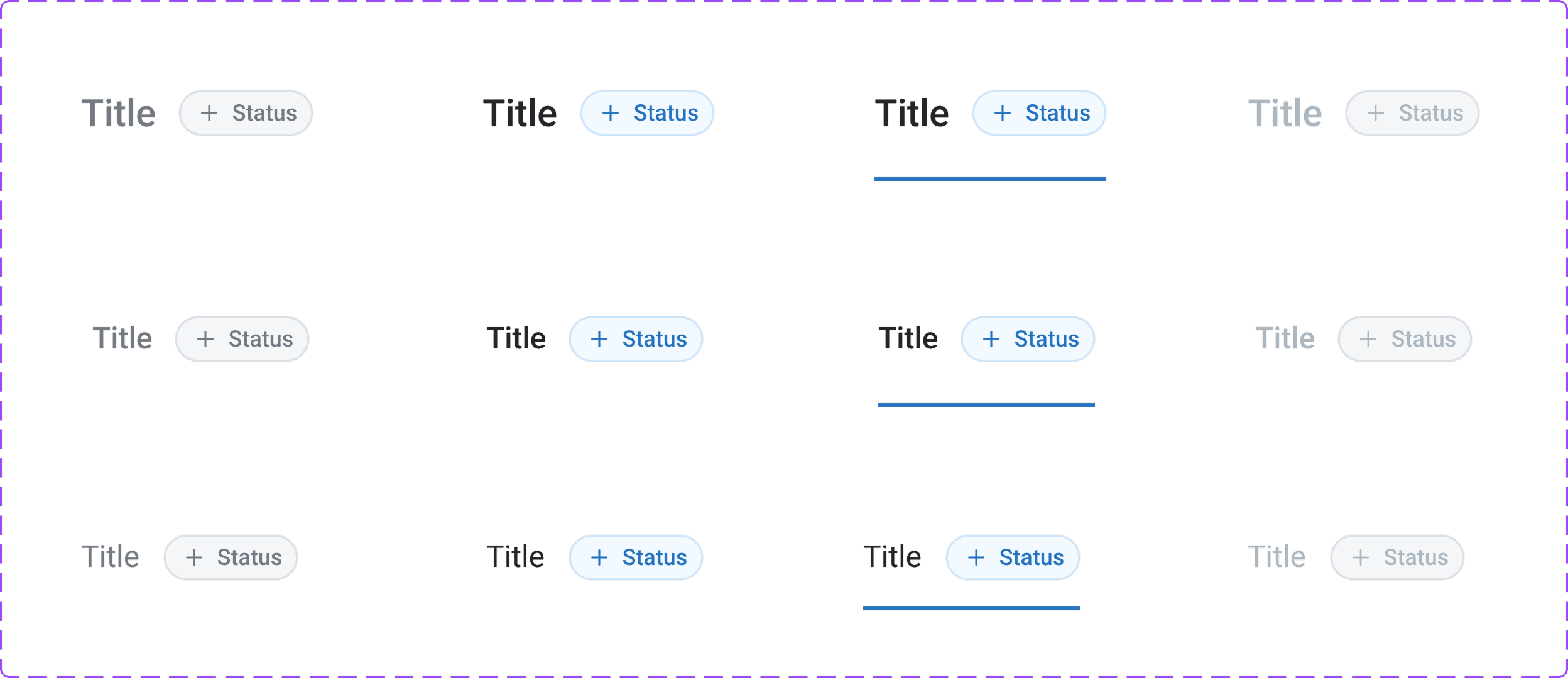
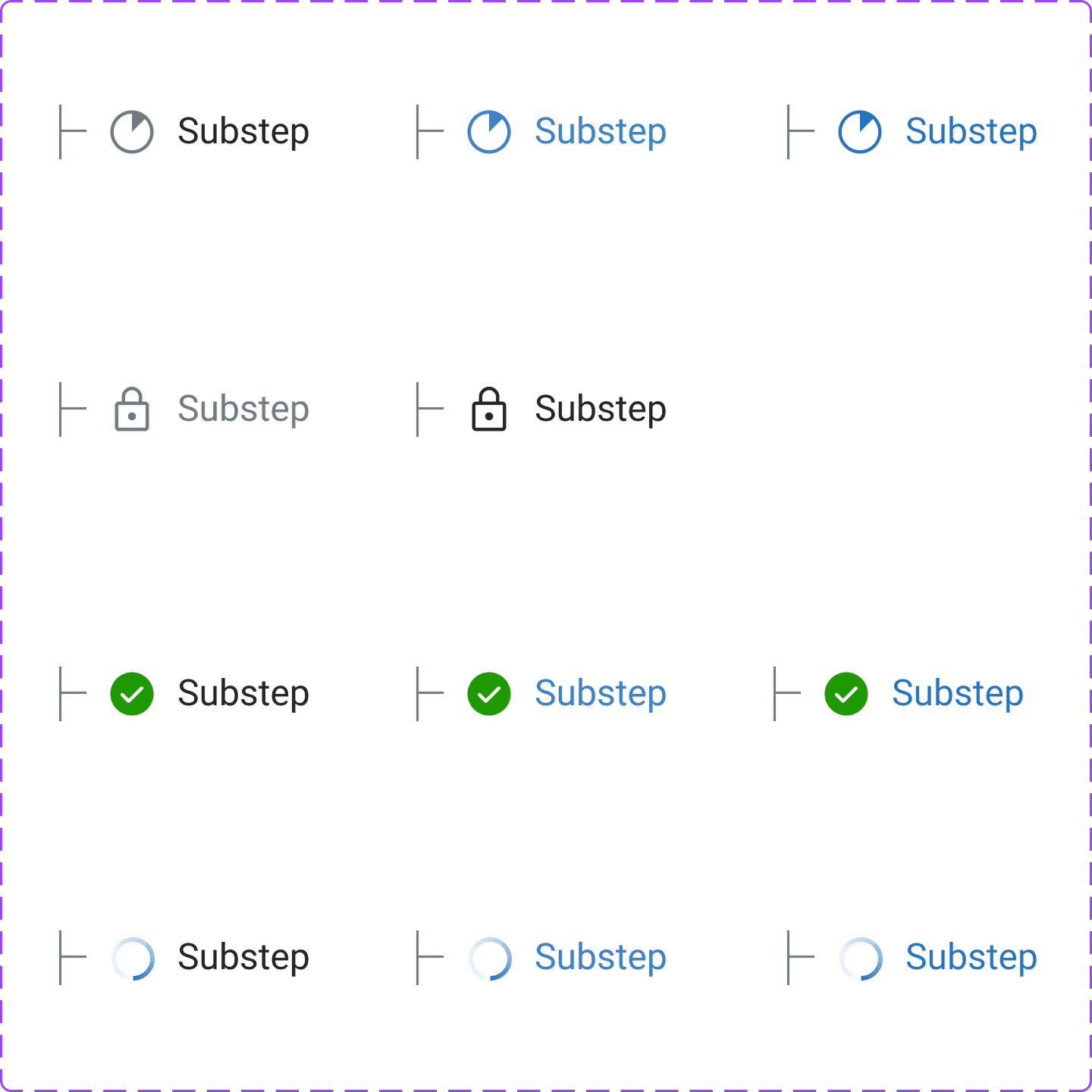
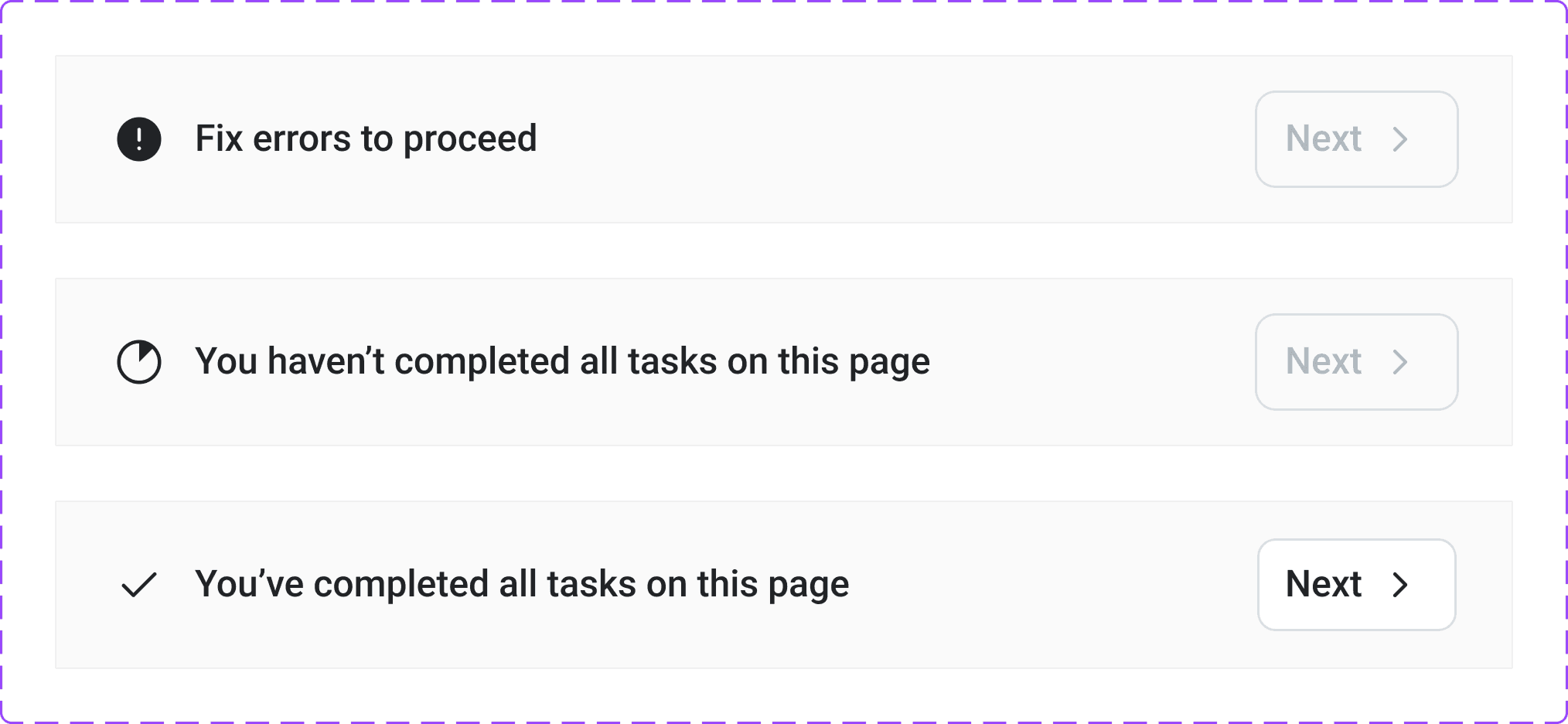
The Loan Page featured a dynamic progress tracker. Instead of a daunting list of 50 tasks, investors only saw the immediate next steps required to move forward. It clearly displayed completed stages, current status, and upcoming milestones.
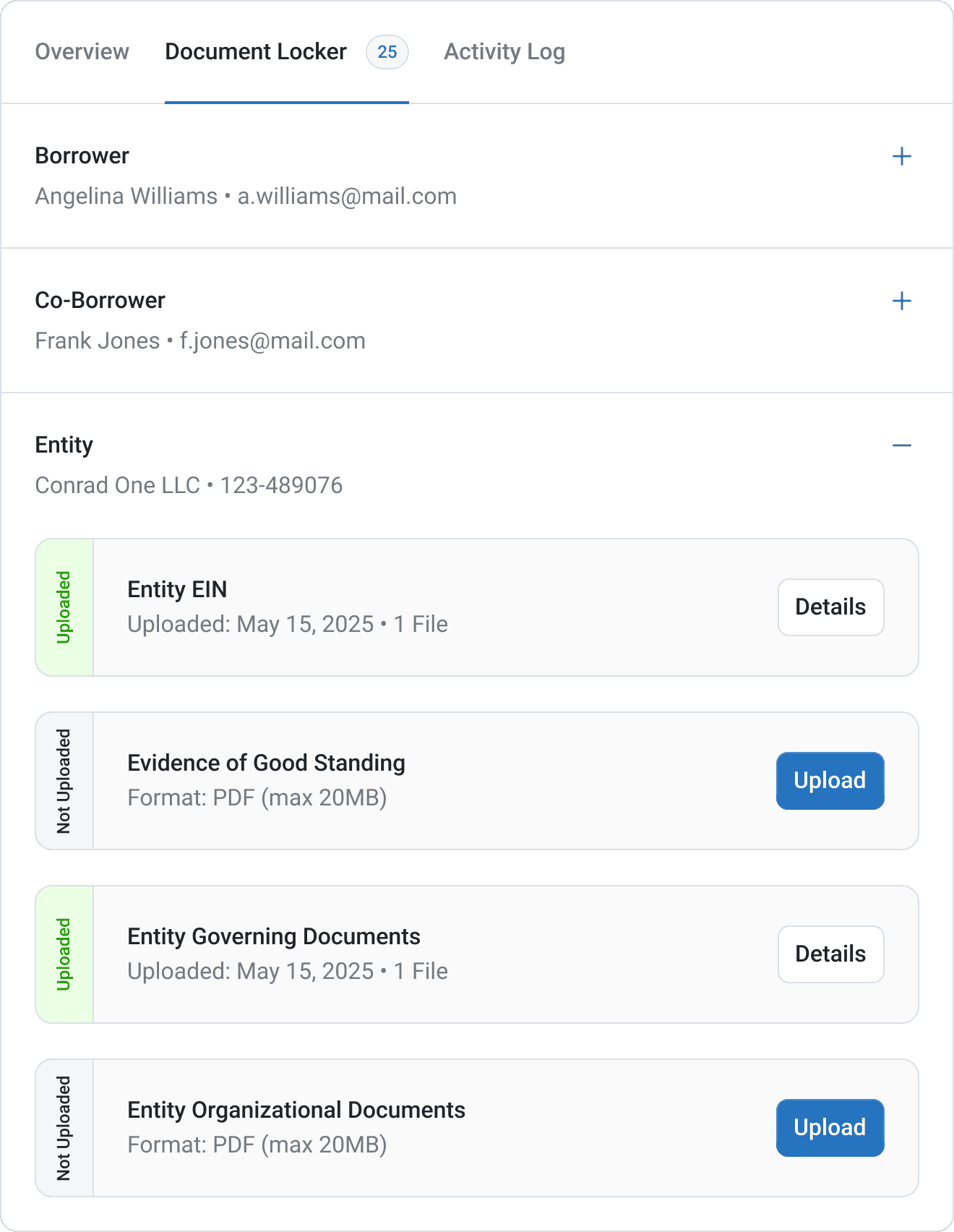
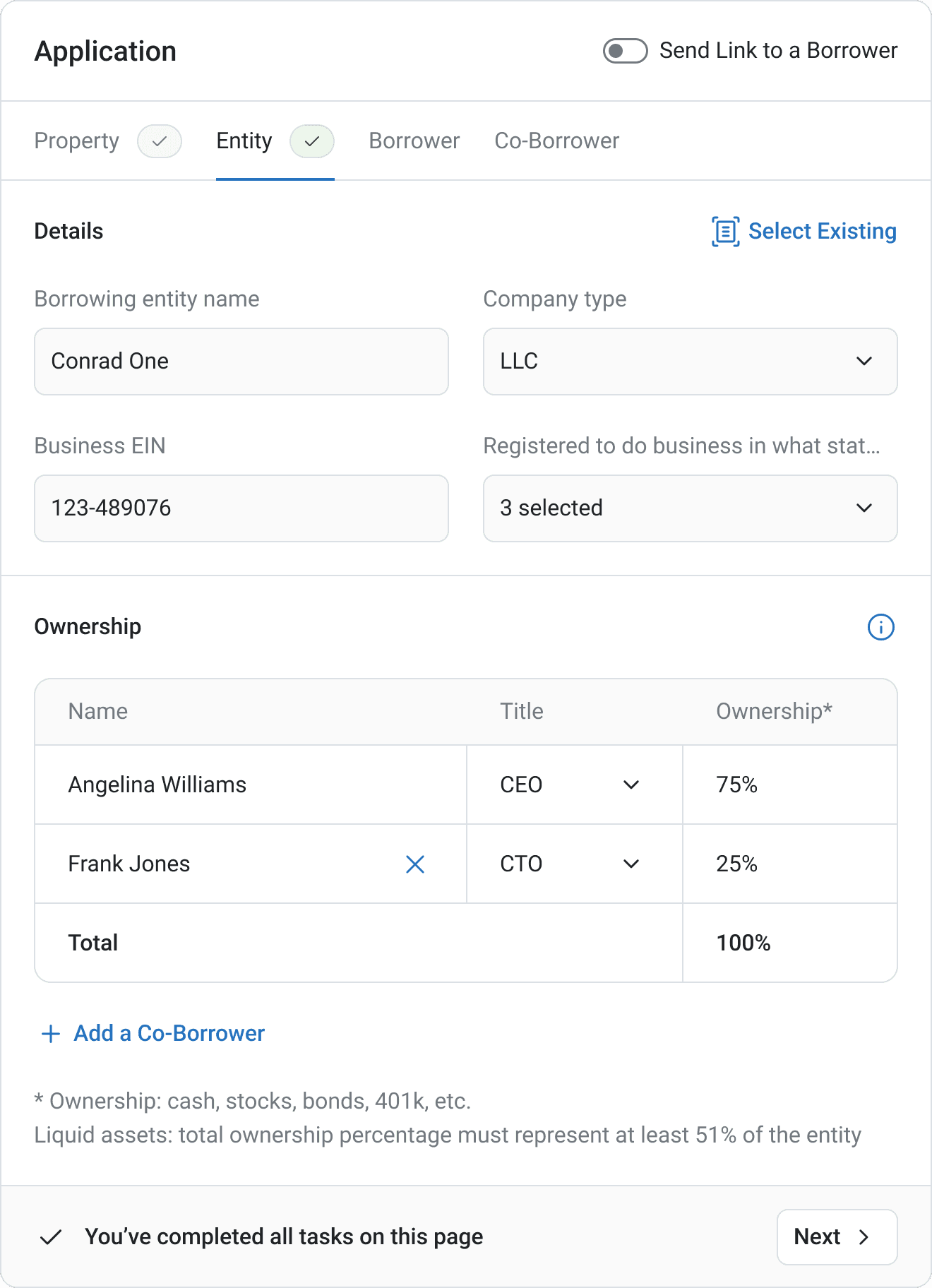
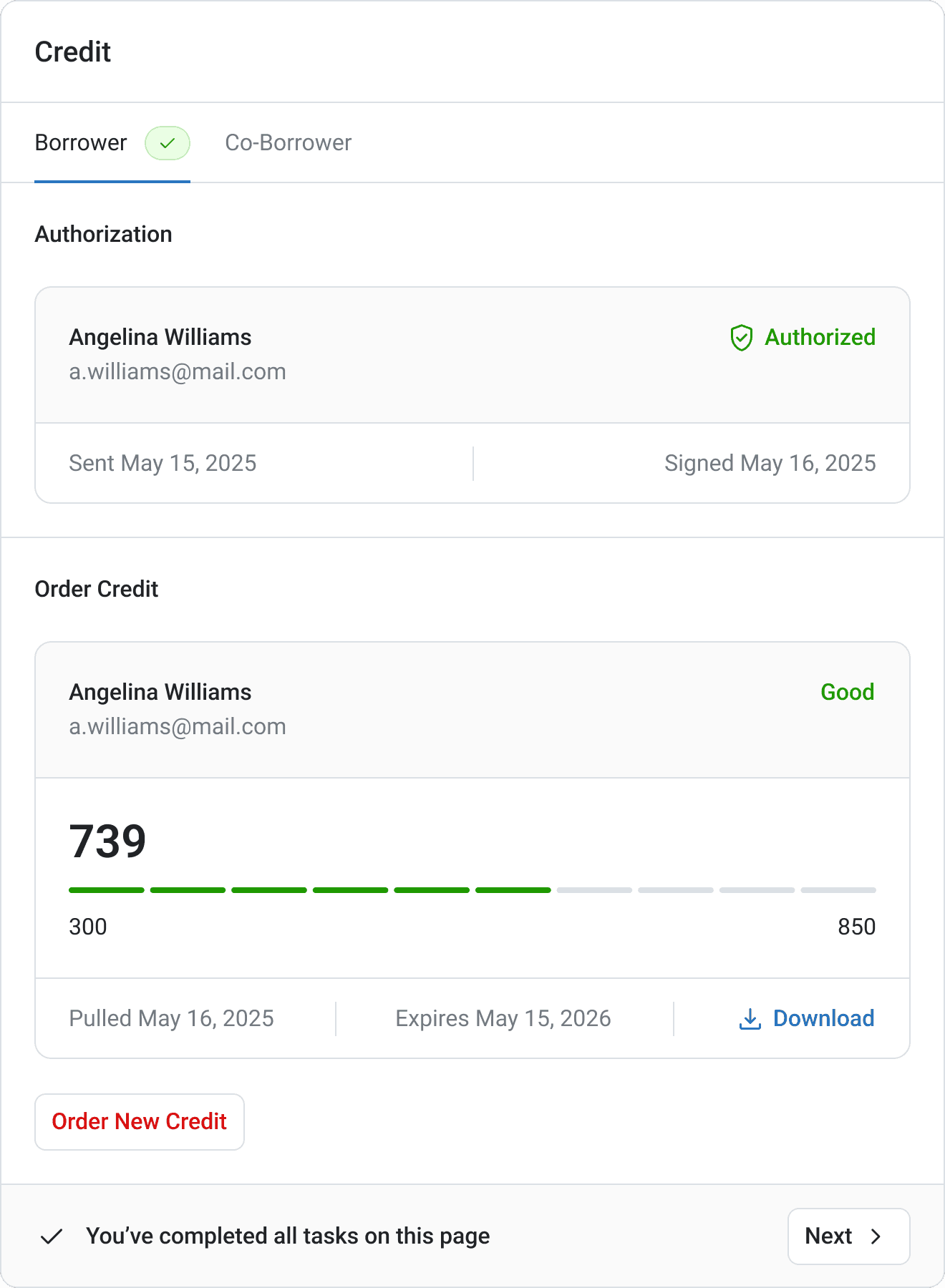
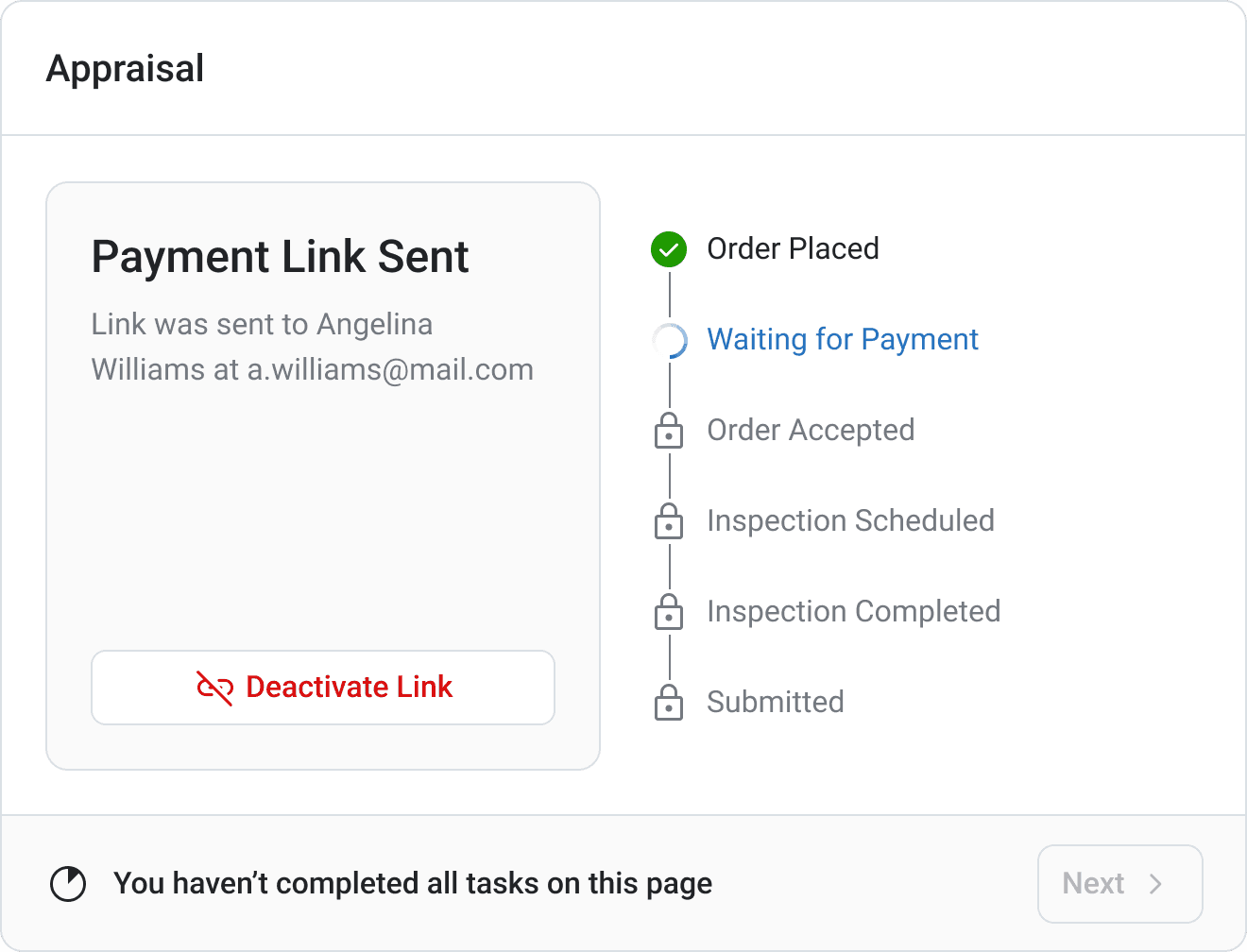
Internal Operations Layer
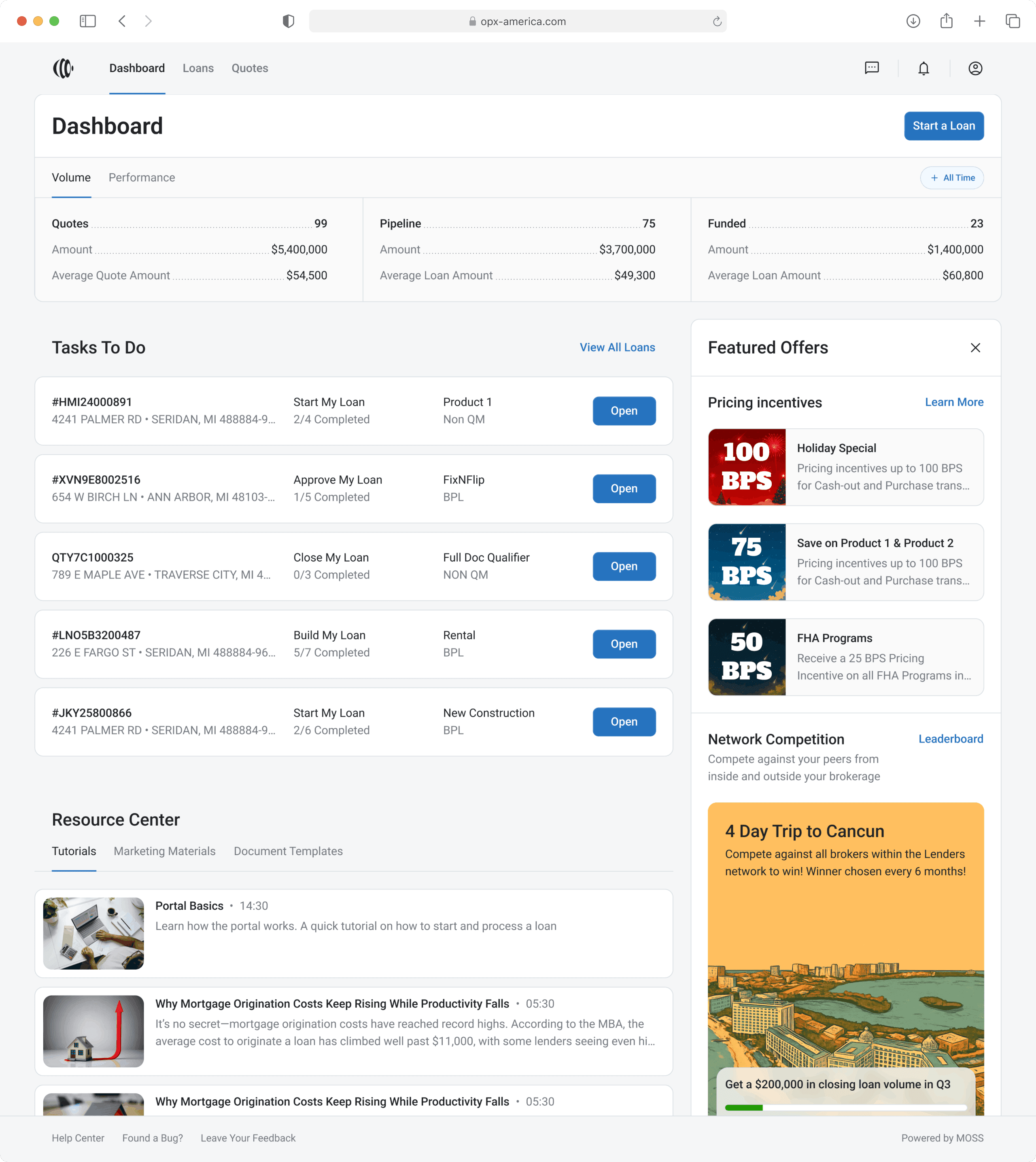
For internal teams, the same page became a real-time operational dashboard.
Loan officers and production coordinators could instantly see:
uploaded documents
pending reviews
underwriting status
appraisal progress
ownership and accountability
comment history
This replaced fragmented email coordination with a shared source of truth.
A Flexible, White-Label Design System
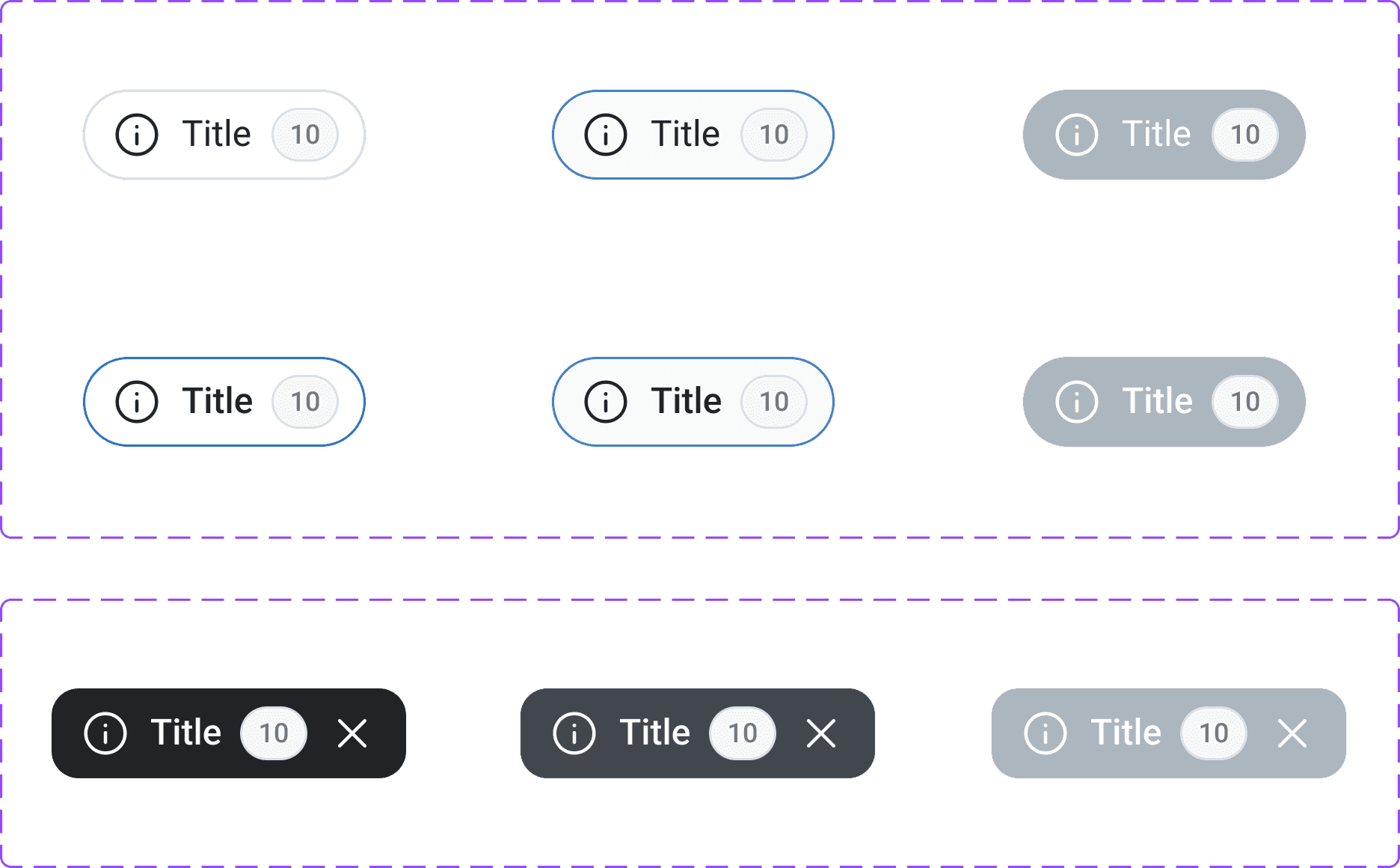
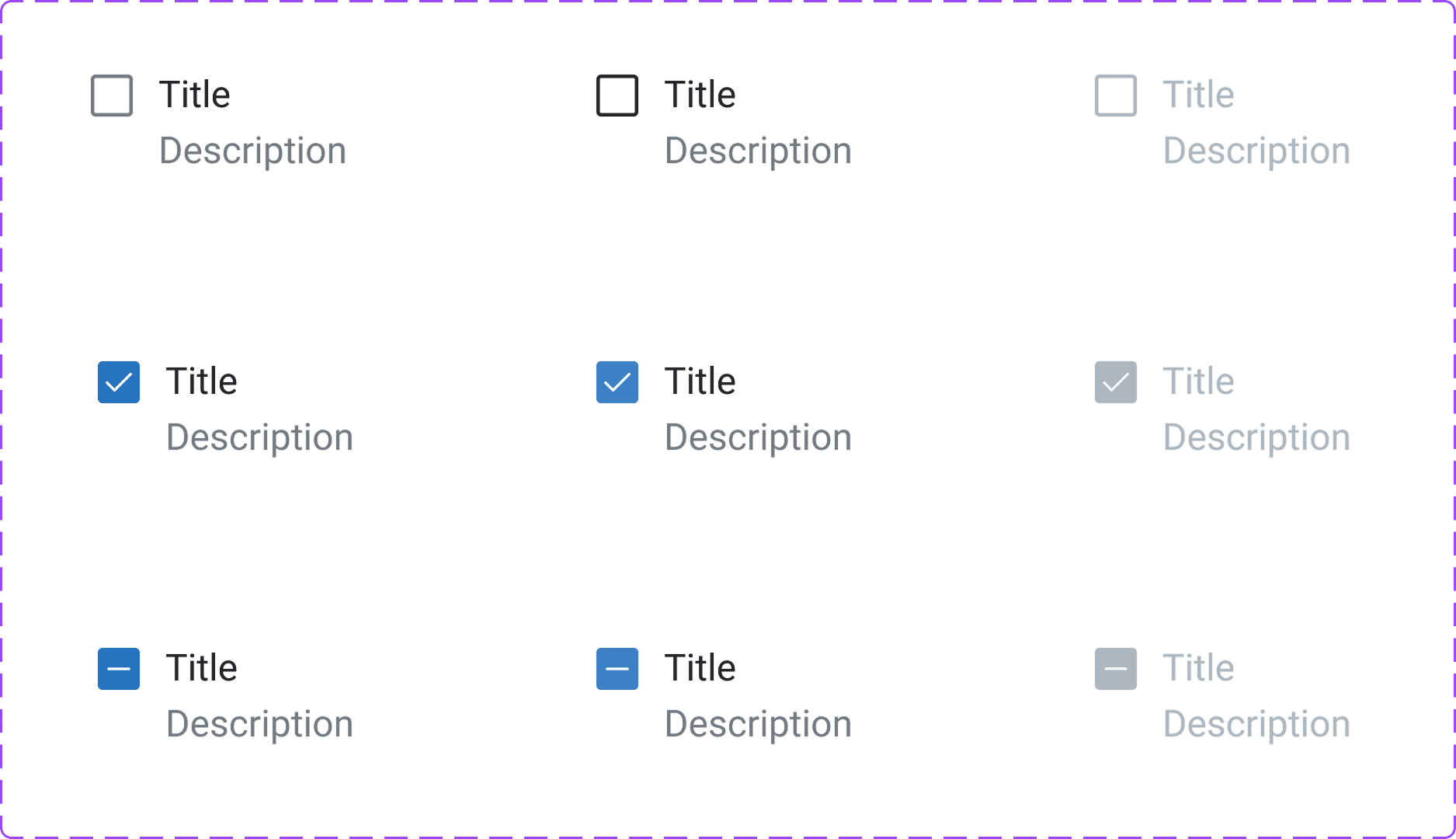
Because OPX America provides this software to various lending organizations, the design system couldn't just be a UI kit; it had to accommodate entirely different backend architectures and business processes.
I built a white-label design system using simple, atomic components. This allowed us to easily expand, collapse, or rearrange design modules and entire user flows to custom-fit the specific operational workflows and API integrations of any given client organization.
Results
—
Following the integration of our product into a partner lending organization,
the client reported transformative results:
↓ 38%
Application abandonment
↓ 55%
Internal email volume
Average loan origination time. Key metric for LOS
10 → 17
Concurrent LO’s loans capacity
↓ 45%
LO–PC handoff time
User Impact
Loan officers reported significantly lower operational workload, while investors highlighted the clarity and transparency of the process.
The biggest outcome was transforming a fragmented email-based workflow into a scalable, transparent loan origination system that improved both conversion and team efficiency.
Conclusion
—
This project taught me that in enterprise workflow products, the main problem is usually not complicated features, but how to organize information clearly when the input data is unclear or uncertain.
🎓